
Stop Pitching Movies
Start Creating Opportunities

For most filmmakers, the hardest part of making a movie is convincing everyone else to come along for the ride. I’ve been learning this lesson in real time.
For the last several years I’ve been directing my first feature, The Savage State. Raising money has been an uphill battle from the beginning. Investors weren’t convinced it was the right place to put their capital. More recently, I’ve had a few crew members step away from the project, including one just this week. Every time it happened, I took it personally.
If I’m honest, there was a part of me that thought I had earned their support. Over the years I’ve hired people, recommended them for paid jobs, and shown up whenever they needed help. Somewhere in the back of my mind I believed those investments would eventually come back around when it was my turn.
They didn’t.
At first that realization hurt. It felt unfair. But eventually I realized I was looking at it the wrong way.
People don’t join your project because you helped them 2 years ago. They don’t stay because they owe you a favor. They stay because they believe being part of your project is one of the best opportunities available to them right now.
That’s a difficult truth to accept, but it’s also incredibly freeing.
It means buy-in isn’t something you’re owed. It’s something you earn by continually creating opportunities that help other people achieve their own goals.
The question stopped being, “Why aren’t they supporting me?”
It became, “How can I make this project so valuable to them that leaving becomes the harder decision?”
That shift has changed the way I think about leadership, producing, fundraising, and collaboration. Every conversation now starts with the same question:
How does this project make their career better?
That isn’t selfish. It’s human.
Most of us approach filmmaking from our own perspective. We fall in love with an idea, then spend years trying to convince everyone else that they should love it too.
But an actor isn’t looking for another role. They’re looking for the performance that changes how people see them.
A cinematographer isn’t searching for another credit. They’re searching for images they’ll proudly include in their reel for the next decade.
An investor isn’t simply buying into a screenplay. They’re buying confidence in the filmmaker sitting across the table.
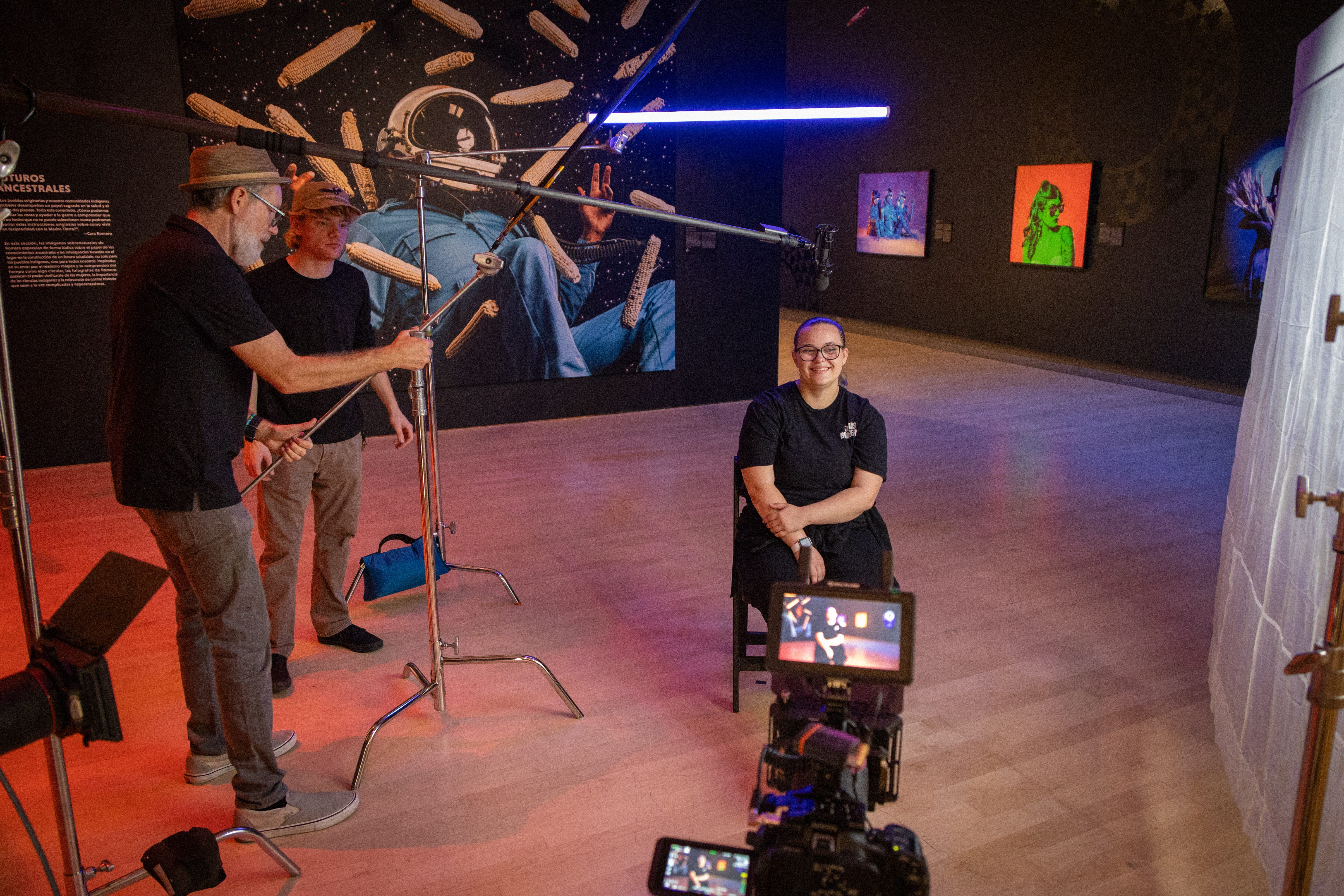
A student volunteering on your set isn’t just looking to carry C-stands. They’re looking for mentorship, relationships, and the first opportunity that opens every door that follows.
Once you begin thinking this way, filmmaking starts to look less like selling and more like service.
I’ve watched this play out over and over again. The projects that attract remarkable collaborators aren’t always the ones with the biggest budgets or even the strongest scripts. They’re the ones where everyone involved can clearly see how participating moves their career forward.
Ironically, this makes you a better leader.
Filmmakers often assume leadership means having the best ideas. I’ve found the opposite to be true. Leadership is creating an environment where everyone else gets to do the best work of their careers. When people feel like they’re growing because they’re working with you, they stop acting like hired hands and start acting like partners.
The irony is that this mindset is actually less transactional than the traditional approach. Instead of asking, “What can this person do for my movie?” you begin asking, “What can this movie do for this person?” One mindset extracts value. The other creates it.
I think that’s why some filmmakers spend decades chasing collaborators while others seem to attract them effortlessly. The difference isn’t charisma, it’s generosity. The filmmakers people line up to work with are usually the ones who make everyone around them better.
So before your next meeting, stop thinking about how you’re going to sell your project.
Instead, ask yourself a harder question.
Why would joining this film be one of the best decisions this person makes all year?
If you can answer that honestly you’ll stop pitching movies and start creating opportunities.
And opportunities are much harder to say no to.
Book Rec: My recommendation this week is $100M Offers by Alex Hormozi. It’s written for entrepreneurs rather than filmmakers, but its central lesson is one every director and producer should understand: people don’t say yes because you ask well. They say yes because what you’re offering is so valuable that it becomes the obvious choice.